The Actor's Instrument
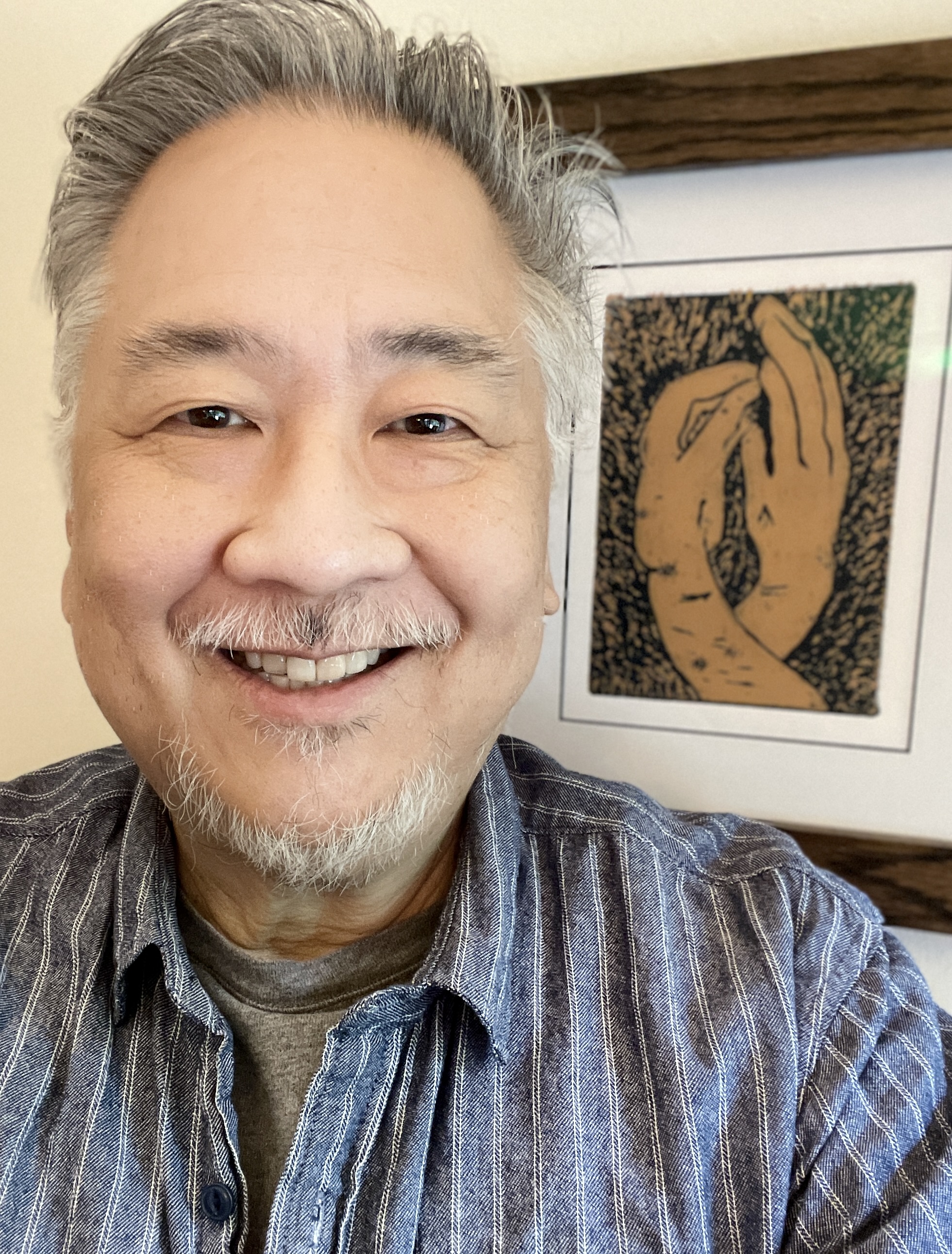
Is the digitally raised human being still living in three dimensions?

It is now commonly understood that one of the most profound questions facing humanity in the digital era is the functioning, use, care, connectedness and coordination of the human body with the mind.
As a teacher of acting, I have witnessed first-hand a new reality in young actors born and raised in the 21st century: a general lack of ability to move with ease in three dimensional space and time.
Along with this phenomenon, there is a startlingly obvious lack of physical imagination and play, which leads to a dearth of choice-making, impulse and response to real world stimuli.
The mandate and requirements regarding physical education in American schools is at a historic low point: according to Education Week magazine, only four states now require physical education all the way through high school. (https://www.edweek.org/education/46-states-mandate-p-e-but-only-four-require-in-all-grades/1993/11)
This obviously has massive implications for society at large, but specifically for young actors who seek training. The actor's body is the instrument of their art. If a young actor does not have an awareness nor the ability to move in space with a sense of command and ease, their acting training becomes pointless, like trying to build a sandcastle on the beach that will last.
Another concern is that young actors in general seem to lack an ability to think and create metaphorically: imagining an everyday object as something else, something symbolic, something possessing its own unique qualities apart from its actual purpose. This aspect of imaginative "play" is a crucial element of any actor's training. At the end of the day, actors are believing and living in circumstances as a character that is fiction. Living vividly in a imaginary world is key to an actor's abilities.
At The Studio Seattle, we are trying to address this issue by providing active, imaginative and engaging physical work at the start of our classes. We hope the work in the beginning stages of class carries over to the rest of the class, and that we are building a habit of "awakening" each actor's instrument to the work ahead.
In the summer of 2026, we will begin to require a class called ACTING FOUNDATIONS for all our incoming students who have little or no experience with actor training. It will be a movement and creative imagination class designed to help beginning actors make discoveries about their own physical and vocal limitations and potential, get in touch with their personal physiology and develop their ability to create instinctively and imaginatively in time and space both alone and in an ensemble.
We believe ACTING FOUNDATIONS will better prepare our students for the Acting I, II and III classes, which teach the craft of acting from simple exercises to complex scene work.
Our journey at The Studio Seattle continues to evolve and grow to better serve the students who come to us, and we believe meeting them where they are is key to supporting their acting journey. ACTING FOUNDATIONS will be a key step in offering new actors a way into the world of the dramatic arts.


Comments